Highest Rated Videos
 8,491 views
12,734 views
8,491 views
12,734 views 13,210 views
11,857 views
13,210 views
11,857 views
 503,478 views
 16,388 views
 19,277 views
 13,622 views
Related Videos
240 views
508 views
980 views










By Dr. Mercola Smell may be your most underestimated sense. However, while you may not consciously think about it daily, your sense of smell has a significant impact on your behavior and your survival. It wasn’t long ago scientists considered vision to be vital to survival and your sense of smell to rank last in the estimation of importance of your senses. Recent studies have shown that despite the weak number of olfactory receptors in humans compared to other species, the cortical integration of sensations in humans are large and have important connections with memory and language.1 Your sense of [More]
Does “extinction rebellion” ring a bell? It should because this “rebellion” is not against – but for – the extinction of humanity. Sound crazy? That’s because it is. We’ve just come through International Workers’ Day, a holiday with leftist origins meant to celebrate the work of the working class, the unsung heroes who keep society functioning despite the constant threat of exploitation. Yet it seems the left has moved away from protecting the little guy toward oppression from the top down under the globalist guise of ‘saving the planet’. Environmentalism is now the most important issue, stopping climate change its [More]
By Dr. Mercola The growing amount of plastics found in the ocean is a result of human behavior and is slowly destroying a vast resource responsible for supporting life. According to the National Ocean Service,1 the ocean produces over half the oxygen across the world and absorbs 50 times more carbon dioxide than the atmosphere. While you may have thought this honor resided with the Amazon rainforest, it rests on the shoulders of the oceans covering 70% of the surface of the planet.2 The health of the ocean is responsible for climate regulation and provides economic benefit producing $282 billion [More]
By Jeff Study: 137 million adults in the United States suffered medical financial hardship in 2015/2017 A new study by American Cancer Society researchers finds medical financial hardship is very common… …read more Source: Natural Blaze
By none Table of Contents What Is English Breakfast Tea? 4 Benefits of English Breakfast Tea English Breakfast Tea Caffeine Content How to Make English Breakfast Tea How to Store English Breakfast Tea English Breakfast Tea Side Effects Enjoy English Breakfast Tea Any Time of the Day (but Moderate Your Intake) Frequently Asked Questions (FAQs) About English Breakfast Tea One of the best things about tea is that you’ll never run out of flavors, blends or varieties to choose from. However, if you prefer strong black tea over the mild flavors of white and green tea, or even herbal teas, [More]
By Dr. Mercola According to the National Institute of Dental and Craniofacial Research,1 92% of adults aged 20 to 64 have had cavities in their permanent teeth. Interestingly, Caucasian adults and those living in families with higher incomes have had more decay, or at least have been treated for more cavities. Adults in the same age range have an average of 3.28 decayed or missing permanent teeth. While many believe water fluoridation is an effective way of preventing tooth decay, supporting facts are just not there. According to the World Health Organization (WHO) data reported by the Fluoride Action Network, [More]
By Julie Fidler A type of commonly-used medication prescribed to treat attention-deficit hyperactivity disorder (ADHD) has been linked to a higher risk of psychosis. A study suggests that another type of ADHD medication carries a far lower risk, but doctors are reluctant to prescribe safer medications over riskier drugs. [1] ?Study leader Lauren V. Moran, MD, a psychiatrist at McLean Hospital, said: “We looked at new users, people who are being prescribed these medications for the first time. We compared amphetamines, which is Adderall and Vyvanse, to people who were prescribed methylphenidates, which is Ritalin or Concerta. We found that [More]

By Joy Jensen, staff writer (NaturalHealth365) According to the Centers for Disease Control and Prevention (CDC), around 5.7 million adults within the U.S. are affected by heart failure, and that number is only expected to increase in the future. Conventionally speaking, current strategies for preventing heart failure focus mainly on managing high blood pressure, quitting smoking, and reducing excess body weight with unhealthy ‘diet programs’ – which lack life-giving nutritional value. In truth, previously research was very limited on how specific dietary patterns affected the risk of heart failure. However, researchers recently looked at five specific dietary patterns and their [More]
By Michael By Dagny Taggart Sleep medications like Ambien have long been controversial and have been linked to bizarre behavior in users. On Tuesday, the Food and Drug Administration (FDA) announced that it is… …read more Source: Natural Blaze
By Dr. Mercola The U.S. has asked China to lift a ban on U.S. pork fed the additive ractopamine, but so far China has rejected the request. China has seen huge losses in the pork industry due to African swine fever, which may lead to the deaths of up to 200 million pigs.1 Still, even while facing protein deficits as a result, the country has been resistant to importing ractopamine-treated meat. In fact, ractopamine, a beta agonist used to increase weight gain, feed efficiency and leanness in pigs, cattle and turkeys, is banned in most other countries, including China, Russia, [More]
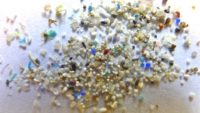
By Michael Greger M.D. FACLM How many plastic particles per serving have been found in the fish muscle itself? …read more Source: nutritionfacts.org

By Zoey Sky (Natural News) The prepping lifestyle can be …read more Source: Natural News
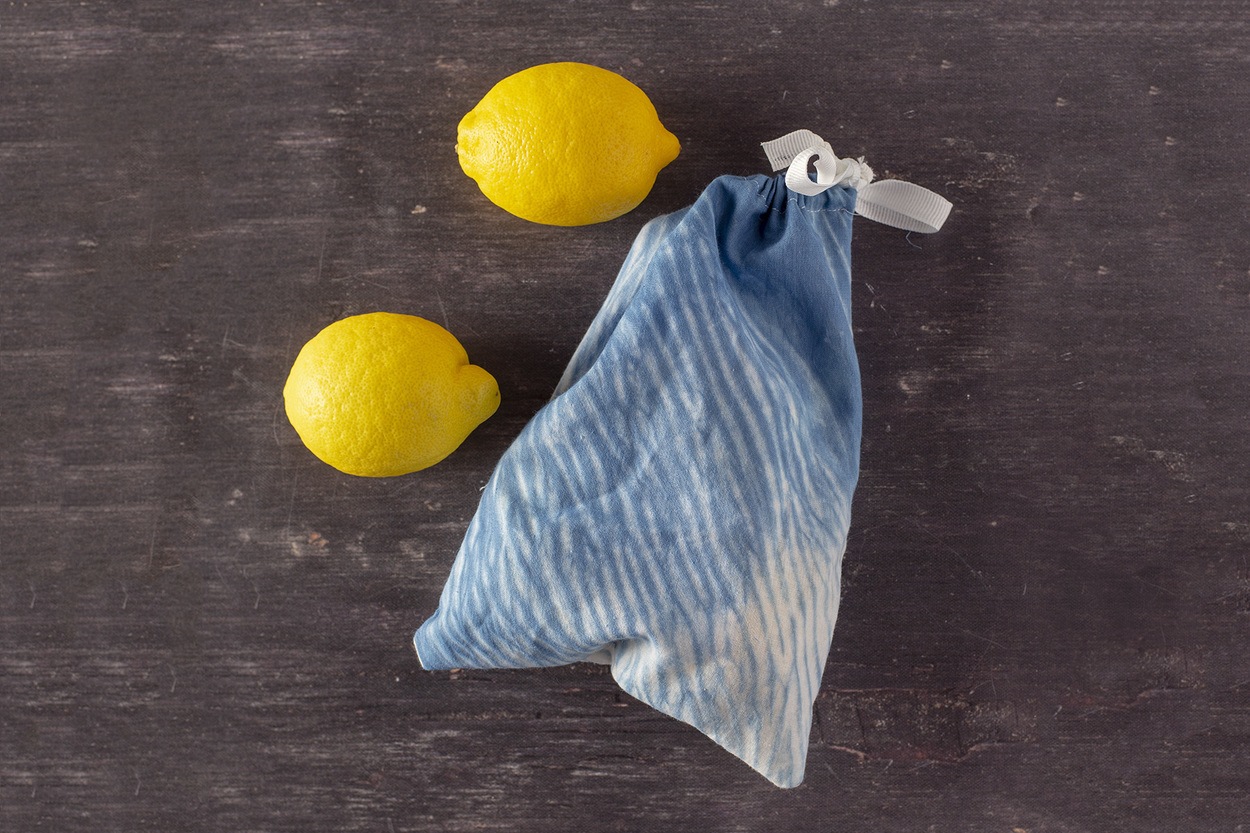
By Debbie Wolfe Did you know that about half of annual plastic production is destined for a single-use product? It’s estimated that four trillion plastic bags are used worldwide a year! Yet, only 1% of plastic bags are returned for recycling. Even worse, most areas lack the capabilities to recycle single-use plastic bags even if they wanted to. Grocery stores are starting to encourage the use of reusable bags to pack your groceries, but still offer the single-use plastic bags in the produce section. Skip the single-use plastic at the grocery store and make …read more Source: Natural Living Ideas [More]
By Michael By Matt Agorist Since the beginning of the year, the Free Thought Project has been reporting on the hysteria associated with the measles outbreak and the subsequent loss of liberties and police state… …read more Source: Natural Blaze

By Michael Greger M.D. FACLM Does cooking meals at home lead to improved health outcomes? And how do TV dinners compare nutritionally to TV-chef recipes? …read more Source: nutritionfacts.org

By Daisy Luther by Daisy Luther One of the first things I noticed here is that the people of the Balkans are in a lot better shape than in the United States. It … Read the rest The post Prepper’s Travel Diary: It’s a Different Lifestyle in the Balkans appeared first on The Organic Prepper. …read more Source: Organic Prepper
Researchers found that nearly 1 in 5 people who had received a diagnosis of multiple sclerosis had other unrelated conditions. Multiple sclerosis (MS) is a widespread disabling neurological condition in which the immune system attacks and destroys the fatty tissue that surrounds the nerves. This leads to nerve damage, which affects communication between the nerves and the brain. People with MS may experience symptoms, including numbness or weakness in the limbs, tremors, and lack of coordination. However, some of the symptoms have similarities to other debilitating conditions, including stroke and migraine. MS and stroke are very different conditions, but they [More]
By REALdeal Source: These Amazing Things Happen to Your Body When You Don’t Drink Alcohol for 28 Days For more content like this visit REALfarmacy.com. Some people just can’t wait to go out and get drunk again, and this is unfortunate because the truth is that alcohol is a poison that damages all body organs. Enjoying a glass or two once in a while is completely alright, but the excessive consumption of alcohol can seriously damage health, and these are […] Source: These Amazing Things Happen to Your Body When You Don’t Drink Alcohol for 28 Days …read more Source: [More]

By J.G. Martinez D By J. G. Martinez D. OK people. Time of Revelations has come. Jobless, just with some non-regular income here and there, and my 5 years worth of reserves almost entirely … Read the rest The post Making Hard Choices During a Collapse: Lessons From Venezuela appeared first on The Organic Prepper. …read more Source: Organic Prepper
By Admin New Treatment Slashes Autism Symptoms by Alliance for Natural Health A promising treatment has shown remarkable success in treating autism—but will the FDA turn it into a Big Pharma blockbuster? Action Alert! Recently we reported on the advancements in research regarding fecal microbiota transplants (FMT), which harness the power of the gut microbiome to treat illness. A recent study has found that FMT reduced autism symptoms by 50%. This is a stunning finding that provides further evidence of the incredible potential …read more Source: Health Impact News
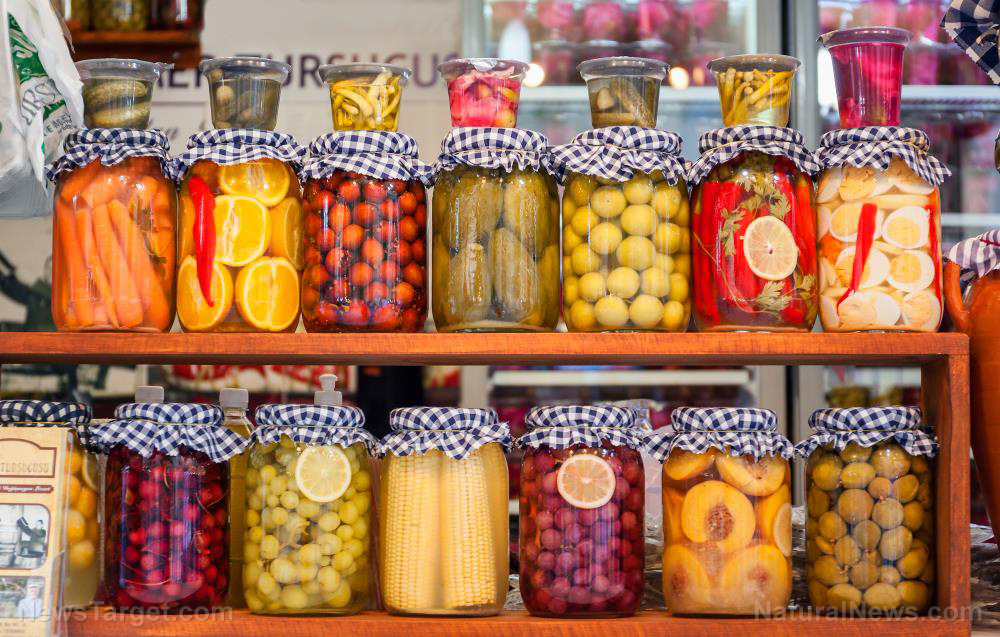
By Zoey Sky (Natural News) You can store all sorts …read more Source: Natural News
By Dr. Mercola Table of Contents Choose Your Sunflower Variety Soil and Water Preferences Most Consistent Pests Harvesting and Storing Sunflower Health Benefits Benefits in Your Snacks and Cooking Nothing says summer quite like the bright yellow faces of sunflower plants. Growing sunflowers is easy as they are heat tolerant, resistant to pests and are remarkably tough. Seeds can be harvested in the fall and are a great snack with an irresistible flavor and satisfying crunch. They’re excellent for appetizers, salads, desserts and other dishes. If you choose not to harvest sunflower seeds, the birds in …read more Source: mercola [More]

By Dr. Mercola On March 26, 2019, Rockland County, New York, executive Ed Day issued a state of emergency, barring children under the age of 18 who had not gotten a measles-containing MMR shot from entering public places, including schools, restaurants, churches, synagogues and public transportation.1,2,3 The ban was initially set to expire once the state of emergency was lifted in 30 days, but was cut short when an acting New York State Supreme Court judge issued an injunction lifting the state of emergency on April 5, saying the number of measles cases …read more Source: mercola
By Lisa Egan Oats are a popular pantry staple, and for good reason: They are affordable, easy to store, and versatile. Packed with protein, fiber, omega-3 fatty acids, thiamine, iron, and beta-glucan (which may help regulate blood sugar), oats are a true nutritional powerhouse. They also have been shown to reduce harmful cholesterol levels and may even boost the immune system. They are commonly used in oatmeal, baked goods, and granola, but did you know oats can be used for everything from homemade non-dairy milk to pizza crusts to soothing itchy skin? Here’s how to use all those oats sitting [More]
By Dr. Mercola The first commercially available gene-edited food is now on the market, but consumers won’t know where it’s being sold or if they’ve eaten food that contains it. The product, a gene-edited soybean oil created by biotech company Calyxt, was picked up by its first user — a Midwest company with both restaurant and foodservice locations, which is using it for frying as well as in dressings and sauces.1 Calyxt’s soybean oil, Calyno, contains two inactivated genes, resulting in an oil with no trans fats, increased heart-healthy oleic acid and a longer shelf life. Along with refusing to [More]
By Dr. Mercola At least 26 U.S. states,1 three Canadian provinces and countries including South Korea, Finland, Sweden and Norway have been affected by chronic wasting disease (CWD), a contagious neurological disease that affects deer, elk, reindeer and moose. Experts are racing to understand and contain this deadly condition before it wipes out entire herds or, worse, spreads to humans — a possibility that’s been raised by a number of studies. CWD is part of the transmissible spongiform encephalopathies (TSEs) disease family — the most notable member of which is bovine spongiform …read more Source: mercola
By Sara Middleton, staff writer (NaturalHealth365) 1 in 8: that’s how many women in America will develop invasive breast cancer at some point in their lifetime. But, there is some good news: according to research – (some) cancer death rates are dropping. Generally speaking, these trends are believed to be due to a number of factors, including diet and lifestyle changes. For example, today we’ll look at the value of simply adding walnuts to your diet – for cancer prevention. First, it’s good to know about new research out of Marshall University’s Joan C. Edwards School of …read more Source: [More]