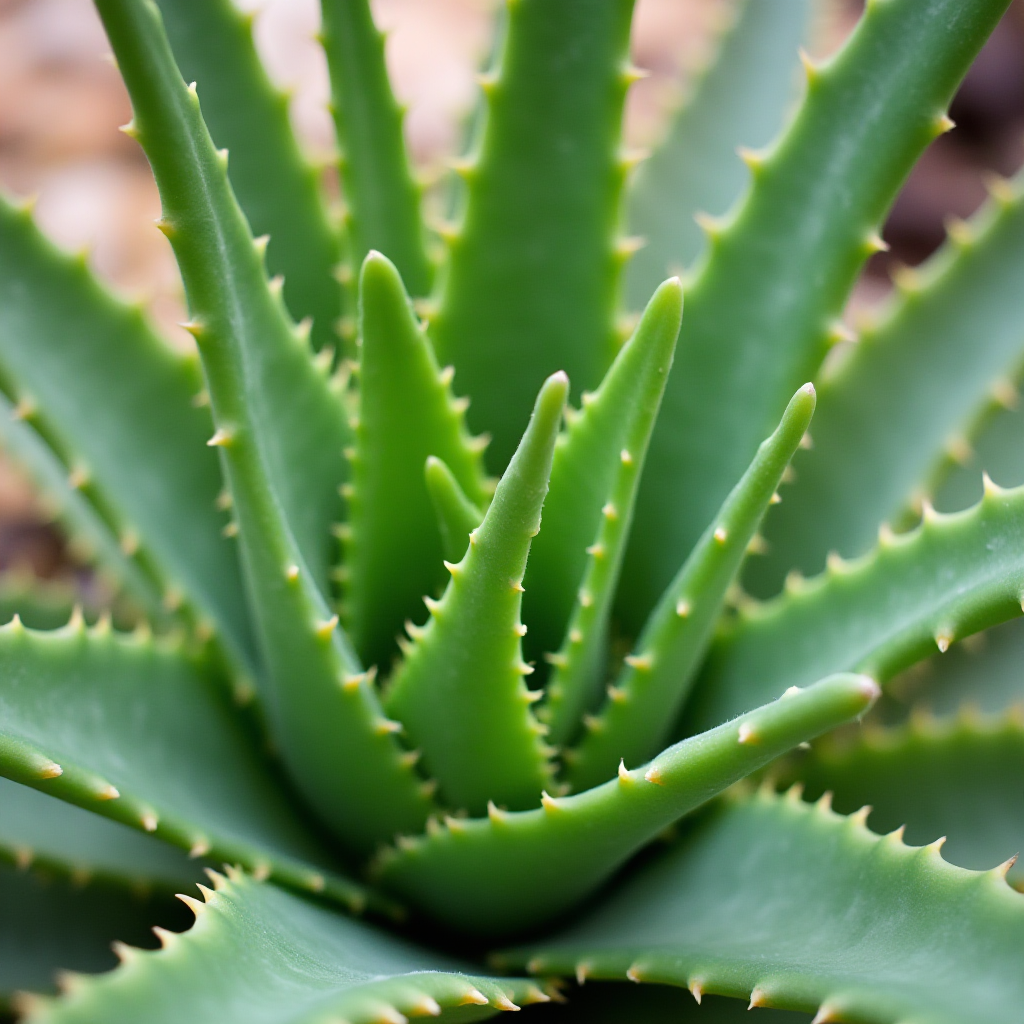
 Aloe Vera
John: Nigel, have you ever just stopped and truly considered the sheer brilliance of the natural world, especially when it comes to plants? It’s like a vast, living pharmacy, isn’t it?
Nigel: John, it’s something that constantly blows my mind. You walk through a garden or a forest, and you’re literally surrounded by potential remedies, nutrition, and, well, just pure ingenuity. It’s not just random, is it? It feels so intentional.
John: Exactly! Intentional is the perfect word. I mean, think about something as common as ginger. Most of us know it helps with an upset stomach or nausea, right? But how did it get those properties? It’s not like it developed them by chance. It seems to have been made with that specific purpose in mind.
Nigel: Yeah, and not just for us humans. I remember reading about how certain animals will seek out specific plants when they’re unwell. Like, a chimpanzee with a parasite might chew on a bitter leaf that’s known to have anti-parasitic properties. They don’t have a pharmacy or a doctor; they just… know.
John: It’s an incredible instinct, isn’t it? Almost as if the knowledge of the plant’s benefits is imprinted, both in the animal’s behavior and in the plant’s very chemistry. It speaks to a design that’s holistic, encompassing the needs of various life forms.
Nigel: Absolutely. Consider aloe vera, for instance. It’s a succulent, grows practically anywhere warm, and its gel is a go-to for burns, cuts, and skin irritations. It’s got these compounds that reduce inflammation, kill bacteria, and promote healing. How did a plant acquire such a perfectly suited cocktail of chemicals?
John: It’s not just a coincidence. The intricate balance of salicylates, enzymes, vitamins, minerals, and amino acids in aloe vera isn’t something that just ‘happens.’ It points to a profound foresight. It’s as if someone knew we’d need a natural bandage.
Nigel: And the sheer variety! You’ve got chamomile for calming nerves, peppermint for digestion, turmeric for inflammation, echinacea for immunity. Each one has a distinct profile, a specific ‘toolkit’ of active compounds that interact with our bodies in just the right way.
John: The specificity is what really gets me. Take turmeric. Its main active compound, curcumin, is a powerful anti-inflammatory and antioxidant. It’s almost tailored to address some of the most pervasive health issues we face today. You don’t get that level of precision by accident.
Nigel: It’s like it was engineered with our well-being in mind. And it’s not just the presence of these compounds, but their bioavailability and how they work synergistically. Often, the whole plant is more effective than just an isolated compound, which again, suggests a complete system.
John: That’s a fantastic point about synergy. Scientists often try to isolate the ‘active ingredient,’ but nature usually presents a complex blend. Think of a complex musical piece – it’s not just one note, it’s the harmony of many notes working together that creates the beauty. Plants are like that, a symphony of compounds.
Nigel: What about animals, though? I mean, beyond just instinct, how do they ‘know’ what to look for? Is it taste? Smell? Do they just learn by trial and error, or is there something deeper, a designed connection?
John: I think it has to be deeper than just trial and error, especially for something as critical as health. The fact that a sick animal will seek out a specific plant, sometimes one that’s not even part of its regular diet, suggests an innate intelligence, a coded response within the animal, perfectly matched to the coded properties within the plant.
Nigel: It’s like the plants are broadcasting their medicinal properties, and the animals are equipped with the right receivers. Take cats and catnip, for example. While not medicinal in the same way, it shows a highly specific interaction between a plant and an animal’s neurochemistry. The plant produces nepetalactone, and it acts on a cat’s olfactory system in a unique way.
John: That’s a great example of a highly specific interaction. It makes you wonder about the sheer volume of such precise connections in nature that we’re still unaware of. There’s so much complexity designed into these systems.
Nigel: And what about poisonous plants? Even they seem to serve a purpose within this grand design, perhaps as a deterrent, or to maintain ecological balance. They’re not just ‘bad’; they’re part of the intricate system.
John: Absolutely. Even the ‘toxic’ plants often contain compounds that, in controlled doses, can be incredibly beneficial. Think of foxglove, which is the source of digitalis, a powerful heart medication. It’s all about dose and application, reflecting a meticulous design where even potent compounds have a place and a purpose.
Nigel: So, it’s not just about providing ‘good’ stuff, but providing the entire spectrum, with built-in safeguards and specific instructions for use, if you will. The intelligence behind it is truly mind-boggling.
John: It certainly is. When you look at the human body, for example, we have these incredibly complex systems for healing and repair. And then you see these plants, with their equally complex biochemical factories, producing compounds that interface perfectly with our systems. It’s a profound match, like two perfectly crafted pieces of a puzzle.
Nigel: It really highlights the idea that our bodies were designed with the expectation that these plants would exist and be available. It’s not like our bodies randomly adapted to use these plants; it’s more like we were made to utilize the provision already laid out for us.
John: Precisely. The fit is too perfect, too intricate, to be explained by anything less than intentional design. It makes me appreciate every herb, every leaf, every flower in a whole new light. They’re not just pretty or green; they’re packed with purpose.
Nigel: And it reminds us of our responsibility, too. To preserve these natural pharmacies, to understand them better, and to treat them with the respect they deserve as part of this grand, interconnected design.
John: Yes, absolutely. To continue to discover the wisdom embedded in them. Think of the discoveries we’ve made, like quinine from the cinchona tree for malaria, or aspirin originally derived from willow bark. These weren’t invented; they were discovered within nature’s existing bounty.
Nigel: That’s a fantastic way to put it. We’re essentially decoding a pre-existing instruction manual, a comprehensive guide to health and well-being that’s been right under our noses, or rather, right under our feet, all along.___
John: It really is like a treasure hunt, isn’t it? And the more we look, the more we find, confirming this incredible foresight. It’s not just about survival; it’s about thriving, with provisions for comfort, healing, and vitality.
Nigel: I often think about traditional medicine systems, too, like Ayurveda or traditional Chinese medicine. They’ve relied on these plant-based remedies for millennia, demonstrating a deep, intuitive understanding of this designed interaction, long before modern science could analyze the compounds.
John: That’s an excellent point. It suggests that humanity, from its earliest days, was given the tools and perhaps even the innate wisdom to interact with this designed pharmacy. It’s a heritage that’s been passed down, adapting and increasing in knowledge, but always drawing from the same core resource.
Nigel: And it makes you wonder about the plants we haven’t even begun to understand yet. Imagine the rainforests, for instance, where countless species exist that haven’t been studied. What other intricate remedies are waiting to be discovered there, designed into their very essence?
John: It’s a humbling thought, isn’t it? It reinforces the idea that there’s so much more to learn, so much more wisdom to uncover from this incredibly well-ordered and purposeful natural world. It’s not chaos; it’s intricate order.
Nigel: Absolutely. It really puts things into perspective. Next time I’m brewing a cup of herbal tea, I’ll definitely be thinking about the incredible journey of those compounds, from the soil to the plant, and then into my mug, all with a designed purpose.
John: Me too, Nigel. It truly is a testament to an intelligent hand, a profound care woven into the very fabric of existence, providing for every living creature in ways we’re still only beginning to fathom. It’s a wonderful, living testament to a designer.
Nigel: Indeed, John. A design that keeps on giving. Thanks for this truly illuminating conversation. It gives me a deeper appreciation for every leaf and root out there.
John: My pleasure, Nigel. And to all our listeners, take a moment to look around you, notice the plants, and perhaps reflect on the incredible, intentional design that provides so richly for us all.















![Point of Grace – Jesus Will Still Be There [with lyrics]](http://img.youtube.com/vi/XFqjq_LsZVg/0.jpg "Point of Grace – Jesus Will Still Be There [with lyrics]")

Thanks! Share it with your friends!
Tweet
Share
Pin It
LinkedIn
Google+
Reddit
Tumblr